Everything you need to know about snorkeling the Belize Barrier Reef — from house reefs and patch coral to nurse sharks, visibility, and what to pack.
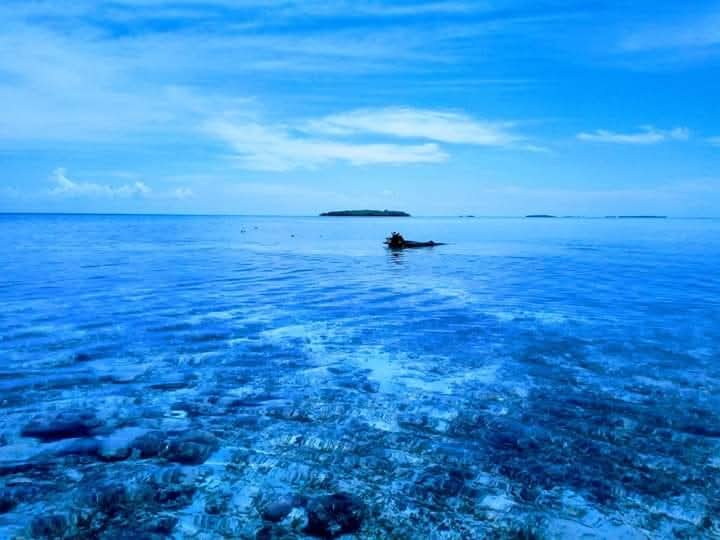
The Belize Barrier Reef is the second-largest reef system in the world — and one of the most accessible. Unlike destinations that require long boat rides to reach coral, many Belize cayes sit directly on the reef with patch coral visible from shore.
This guide covers what makes Belize snorkeling exceptional, the best sites by region, when to visit, and practical tips for getting the most from your time in the water.
Why Belize snorkeling stands out
Three factors set Belize apart: proximity, diversity, and protection. The reef runs the entire 300-kilometre coastline, so most island lodges are minutes from coral rather than hours. Shallow turtle-grass meadows transition to coral gardens and wall drop-offs within short boat rides.
As a UNESCO World Heritage Site since 1996, the Belize Barrier Reef Reserve System benefits from marine protected areas, mooring buoys, and conservation programs that keep fish populations healthy and coral recovering.
Marine life you can expect
- Parrotfish, angelfish, sergeant majors, and blue tangs on every patch reef
- Nurse sharks and southern stingrays in sand channels and Shark Ray Alley
- Hawksbill and green sea turtles on outer reef ledges
- Eagle rays gliding over sand flats
- Spotted eagle rays, barracuda, and schooling jacks at current-swept points
- Octopus, lobster, and colorful nudibranchs on sponge-encrusted rocks
- Manatees in mangrove channels and seagrass beds
Best snorkeling regions in Belize
Northern reef (Ambergris Caye / San Pedro): Hol Chan Marine Reserve and Shark Ray Alley are the headline sites — busy but spectacular. Turneffe Atoll offers quieter wall dives and healthier coral.
Southern reef (Dangriga / Placencia): Less developed, fewer tour boats, equally rich marine life. Silk Cayes, Laughing Bird Caye, and the patch reefs near Hawk Caye Lodge offer pristine snorkeling without crowds.
Atolls (Turneffe, Lighthouse, Glover's): Remote, exceptional visibility, advanced sites including the Blue Hole surrounds. Day trips from mainland hubs or multi-day liveaboards.
Best time to snorkel in Belize
Visibility peaks during the dry season (November–April) when trade winds keep skies clear and water calm. March and April often deliver the best combination of visibility, calm seas, and warm water.
The green season (May–October) brings fewer tourists, glassy morning conditions, and lush mangrove scenery. Brief afternoon squalls pass quickly; guides plan around them.
Snorkeling from Hawk Caye Lodge
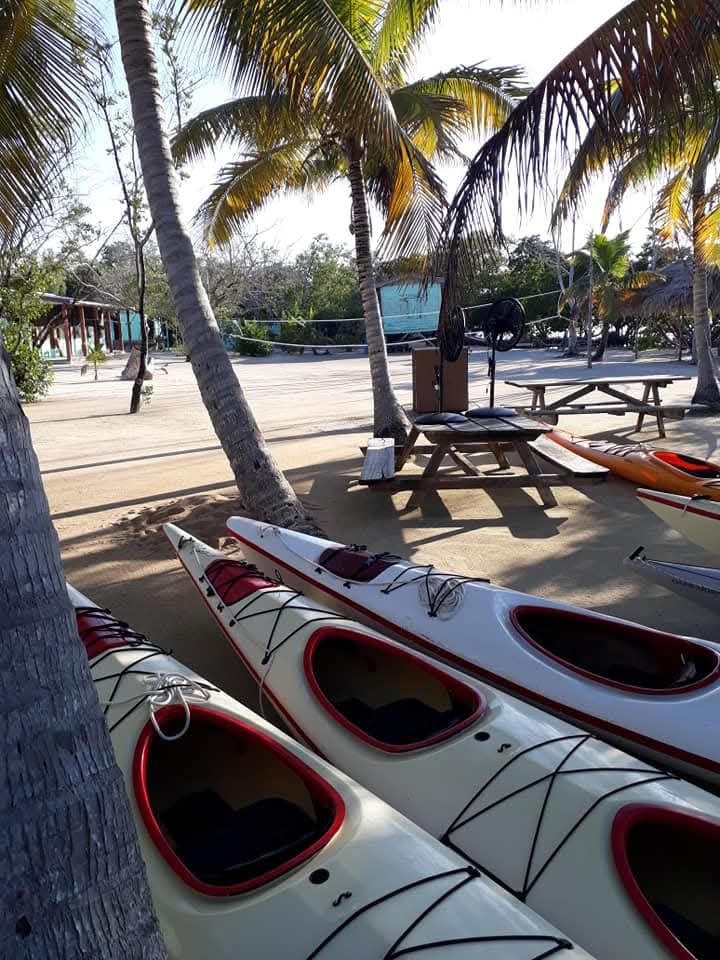
Hawk Caye Lodge sits directly on the Belize Barrier Reef at Hawk Caye — 14 miles southeast of Dangriga. Every package includes one free snorkeling or fishing activity, and the house reef is accessible from the beach.
Guided snorkel trips visit nearby patch reefs, mangrove channels, and outer ledges where turtles and rays are common. Gear is provided; naturalist briefings help first-timers feel confident.
Reef-safe tip: never stand on living coral, maintain a few fin-kicks' distance from turtles and rays, and use non-nano mineral sunscreen (zinc or titanium dioxide).
What to pack for snorkeling in Belize
- Reef-safe sunscreen (non-nano zinc or titanium dioxide)
- Rash guard or thin wetsuit top — most seasons do not require a full wetsuit
- Polarized sunglasses for boat rides
- Dry bag for electronics and towels
- Prescription mask if needed — lodges typically provide standard gear
- Underwater camera or GoPro for reef photography
Ready to experience Belize?
Book a private island stay at Hawk Caye Lodge — reef snorkeling, Garifuna culture, meals, and activities included.
Also see: Visit Belize · All blog posts